
Direct Answer for Property Owners
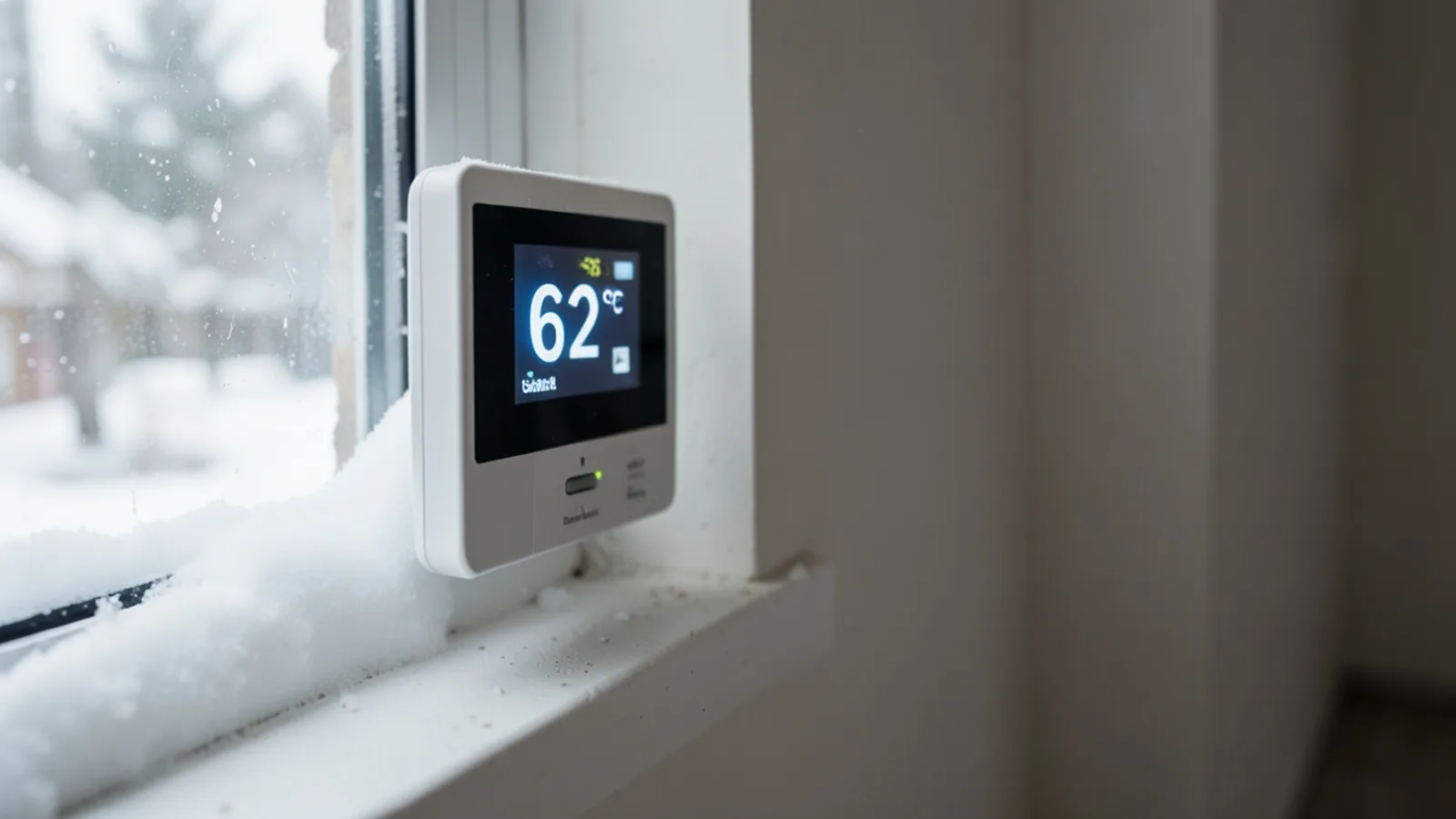
To prevent catastrophic pipe bursts in vacant Waterbury apartments during winter, keep unit thermostats set to a minimum of 60°F continuously, open all kitchen and bathroom vanity cabinet doors to circulate warm room air, and isolate and drain dedicated water risers if the apartment will be unheated. If completely decommissioning plumbing for the winter, blow out water lines with compressed air and add non-toxic propylene glycol antifreeze to all toilet tanks, bowls, and fixture P-traps.
Summary Guide
A vacant apartment during a Waterbury winter freeze is one of the highest financial risks a landlord faces. Discover how to properly winterize unoccupied units, manage minimum heating thresholds, and isolate supply lines before freezing weather strikes.
The thermodynamics of freezing pipes in older multi-family structures
Water possesses a unique physical property that makes frozen pipes catastrophic: it expands by approximately 9 percent when transitioning from liquid water to solid ice. In an enclosed copper, galvanized steel, or rigid plastic pipe, this volumetric expansion generates hydrostatic pressures exceeding 3,000 to 5,000 PSI.
Importantly, the rupture rarely occurs at the exact location where the ice blockage forms. Instead, as ice grows longitudinally along the pipe interior, it acts as a frozen piston, compressing liquid water trapped between the ice blockage and a closed household valve. This immense downstream hydraulic pressure splits the pipe wall or pushes soldered copper fittings apart.
In older Waterbury multi-family properties—such as the classic two-family and three-family buildings in Town Plot, Brooklyn, and the North End—plumbing lines frequently run through exterior wall cavities without vapor barriers or modern batt insulation. During polar cold snaps where ambient outdoor temperatures hover in the single digits, water inside these pipes freezes in as little as 3 to 5 hours of stagnant flow.
Direct Local Dispatch
Need help with your Waterbury plumbing?
Waterbury Landlord Winter Freeze Preparedness Checklist
- •Set all vacant unit thermostats to a minimum of 60°F; never dial below 58°F during freezing winter months.
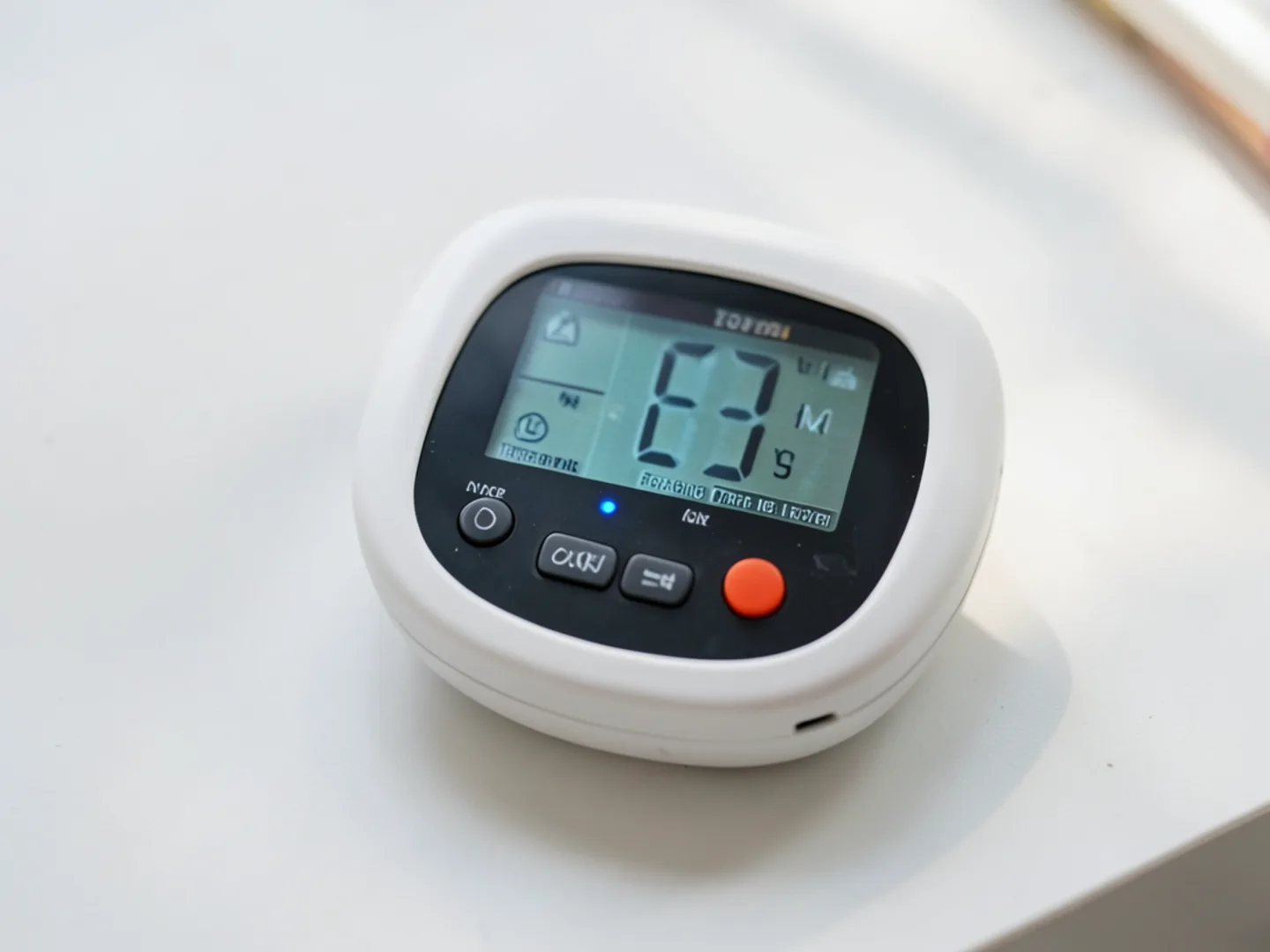
- •Install cellular or Wi-Fi low-temperature sensors to receive instant smartphone alerts if furnace heating cuts out.
- •Open all kitchen sink and bathroom vanity cabinet doors to permit heated indoor air to reach wall-mounted pipe runs.
- •Locate and tag the specific quarter-turn shutoff valve in the basement that feeds each individual vacant apartment.
- •If winterizing completely, close the unit valve, open all faucets, and blow lines clear using oil-free compressed air.
- •Pour 2 cups of non-toxic marine/RV propylene glycol antifreeze into each sink P-trap, shower drain, and toilet bowl.
Winter Freeze Protection Matrix for Vacant Waterbury Rental Properties
| Occupancy Status | Minimum Thermostat Setting | Water Supply Configuration | Drain & Trap Winterization | Freeze Risk Category |
|---|---|---|---|---|
| Short-Term Turnover (Between Tenants, Heated) | Maintain 60°F to 64°F continuously | Pressurized; open under-sink vanity cabinet doors | Standard water traps; inspect fixtures weekly | Low to Moderate during sub-zero polar snaps |
| Extended Winter Vacancy (Actively Heated) | Maintain 60°F minimum with digital temperature alerts | Isolate unit branch at basement water manifold | Standard water traps; relieve residual line pressure | Low |
| Decommissioned / Unheated Renovation | Heating disabled or off-grid | Complete isolation at city meter or basement manifold | Compressed air line blowout; non-toxic RV antifreeze in all traps | Zero when verified completely dry |
| Unmonitored / Thermostat Set Below 55°F | 50°F to 54°F on central wall thermostat | Pressurized domestic water in exterior wall cavities | Untreated water sitting in draft-exposed plumbing traps | Extreme (burst ruptures guaranteed during deep freezes) |
Why low thermostat setbacks cause catastrophic hidden freeze breaks
Landlords seeking to manage utility overhead during tenant turnover frequently lower thermostats to 50°F or 55°F. On paper, this appears safe because 50°F is well above the 32°F freezing threshold of water. However, this strategy frequently leads to disastrous structural flooding.
A central wall thermostat measures ambient temperature in an interior hallway or living room, shielded from outdoor wind and weather. In contrast, the domestic water supply lines serving the kitchen sink or bathroom vanity are typically routed through cold exterior framing bays or inside closed cabinetry abutting uninsulated exterior walls.
During sub-freezing Connecticut winter nights, temperatures inside closed vanity cabinets and exterior wall stud cavities can be 20°F to 30°F colder than the center of the heated room. Setting the central thermostat to 50°F allows exterior wall cavities to plunge into the teens, guaranteeing that stagnant supply lines will freeze solid. To maintain safe cavity temperatures, thermostats in vacant apartments must be kept at a minimum of 60°F continuously.
Step-by-step complete winterization for extended vacant rental units
When an apartment will remain unoccupied through the winter without active heating—such as during comprehensive renovations or between lease cycles—a complete mechanical winterization is mandatory.
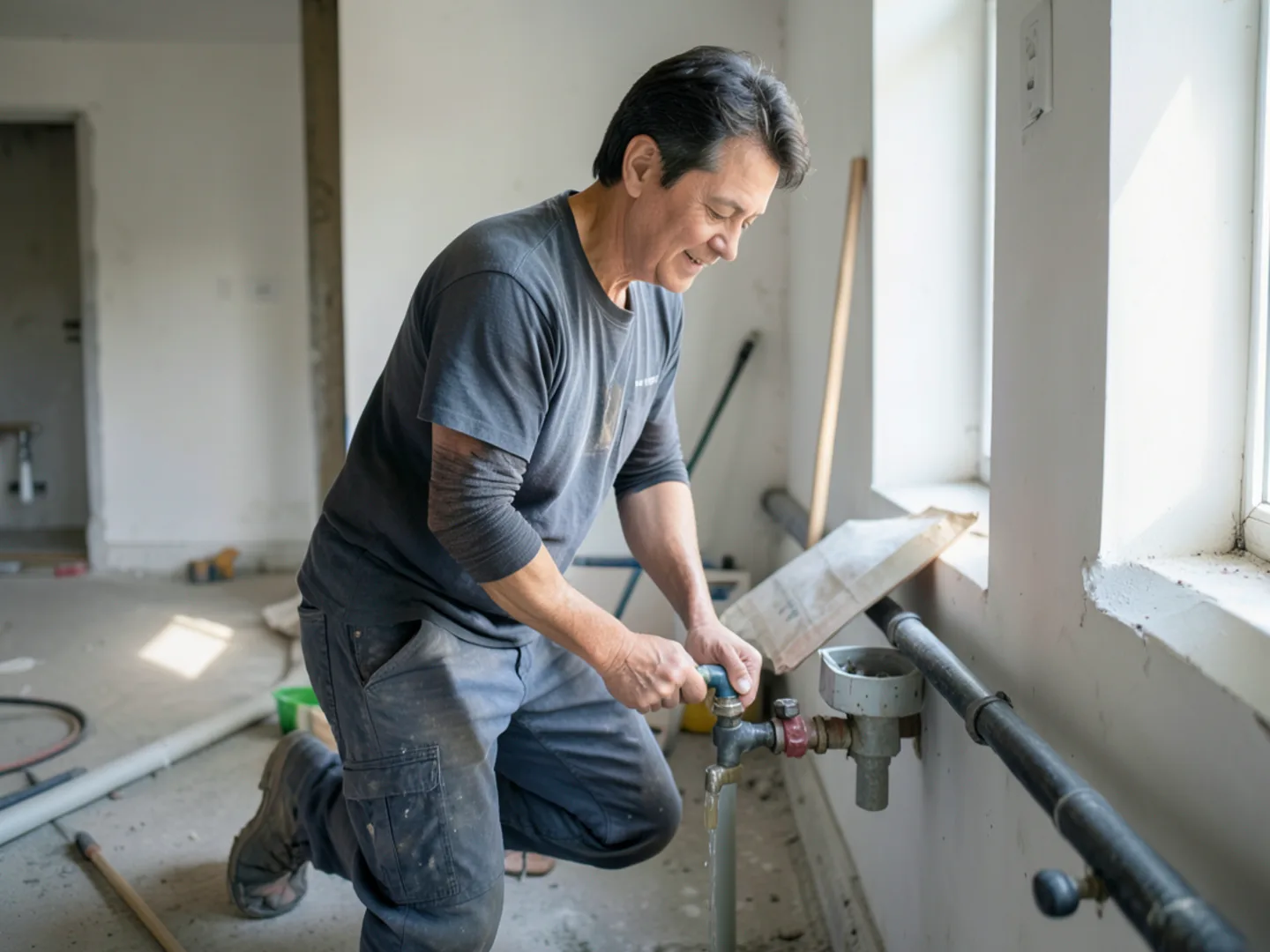
Begin in the basement by closing the dedicated branch isolation valve that feeds the unit. Next, open every faucet, shower valve, and fixture stop in the apartment, starting on the highest floor and working downward to establish atmospheric drainage.
To ensure no pockets of standing water remain inside low horizontal pipe loops or elbow fittings, connect an oil-free air compressor to the highest plumbing outlet and blow out the lines at a moderate 30 PSI until only dry air exhausts from all open faucets.
Finally, address fixture drain traps. Water sitting inside sink P-traps, shower traps, and toilet bowls will freeze and shatter the porcelain or plastic fittings. Sponge out all standing water from toilet tanks and bowls, then pour non-toxic propylene glycol RV antifreeze directly into every drain and toilet fixture until the trap is filled with protective antifreeze.
Flameless emergency thawing versus dangerous open-flame blowtorches
If you discover frozen pipes in a vacant or occupied rental property, immediate action is necessary to locate the freeze before the pipe wall ruptures. However, using open-flame propane blowtorches to thaw frozen pipes in older wood-frame buildings is the leading cause of winter structure fires in New England.
Dry wooden lath, century-old balloon-frame timber, and accumulated sawdust inside wall cavities ignite rapidly upon direct contact with blowtorch flames. Once an open flame enters an unblocked balloon-frame stud bay, fire travels upward between stories within minutes, trapping upper-floor occupants and destroying the building.
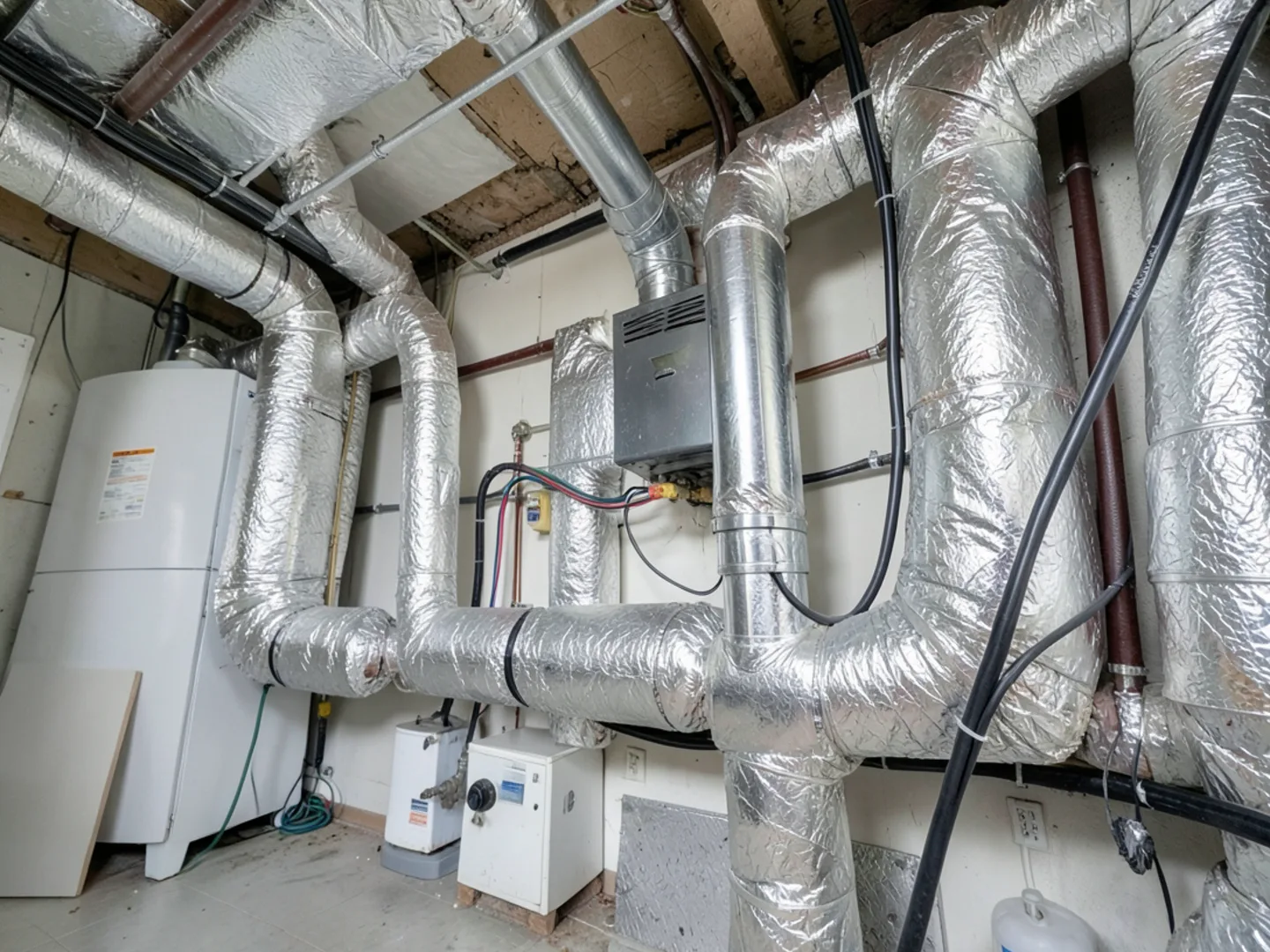
Our licensed plumbers utilize professional flameless thawing techniques exclusively. We employ high-output commercial thermal heat blankets, warm forced-air induction systems, and specialized low-voltage electro-thermal resistance units that safely warm metal piping without generating open flames, sparks, or fire hazards.
Connecticut property insurance requirements and water damage claims
Water damage resulting from frozen and ruptured domestic pipes is among the most expensive insurance claims filed by Connecticut property owners, frequently exceeding $25,000 to $75,000 in repair costs across multi-level structures.
However, standard commercial and residential landlord insurance policies in Connecticut include strict policyholder diligence clauses. Insurers require property owners to maintain heat in the building or completely drain the domestic water system and shut off the main water supply.
If an insurance adjuster determines that a landlord permitted a vacant apartment heat to lapse or dialed the thermostat down below reasonable maintenance levels to reduce heating bills, the insurer may legally deny the claim entirely. Documenting that your property maintained a 60°F minimum setting with remote temperature logs protects both your building and your insurance coverage.
Master Plumber Technical Insights
Many rental property owners mistakenly assume that setting a central hallway thermostat to 50°F or 55°F will protect a building from freezing. While the center of an interior living room may read 52°F, plumbing lines concealed inside exterior balloon-frame walls can easily drop to 18°F when outdoor temperatures fall into the single digits with a 25 MPH wind off Waterbury hills. Wind penetration through drafty clapboards freezes water lines solid from the outside inward.
Automotive antifreeze (ethylene glycol) must NEVER be poured into residential plumbing drains. Ethylene glycol is highly toxic to pets, damages municipal wastewater treatment biology, and can degrade rubber toilet flappers and PVC cement. Always utilize non-toxic, food-grade propylene glycol (marine/RV antifreeze rated to -50°F), which protects traps from freezing without environmental or plumbing hazards.
Frequently Asked Questions
Licensed Master Plumber Staff
Technical guidance verified by a State of Connecticut licensed Master Plumber (P-1 #0286392). Based at 232 Bradley Ave, Waterbury, CT.