
Direct Answer for Property Owners
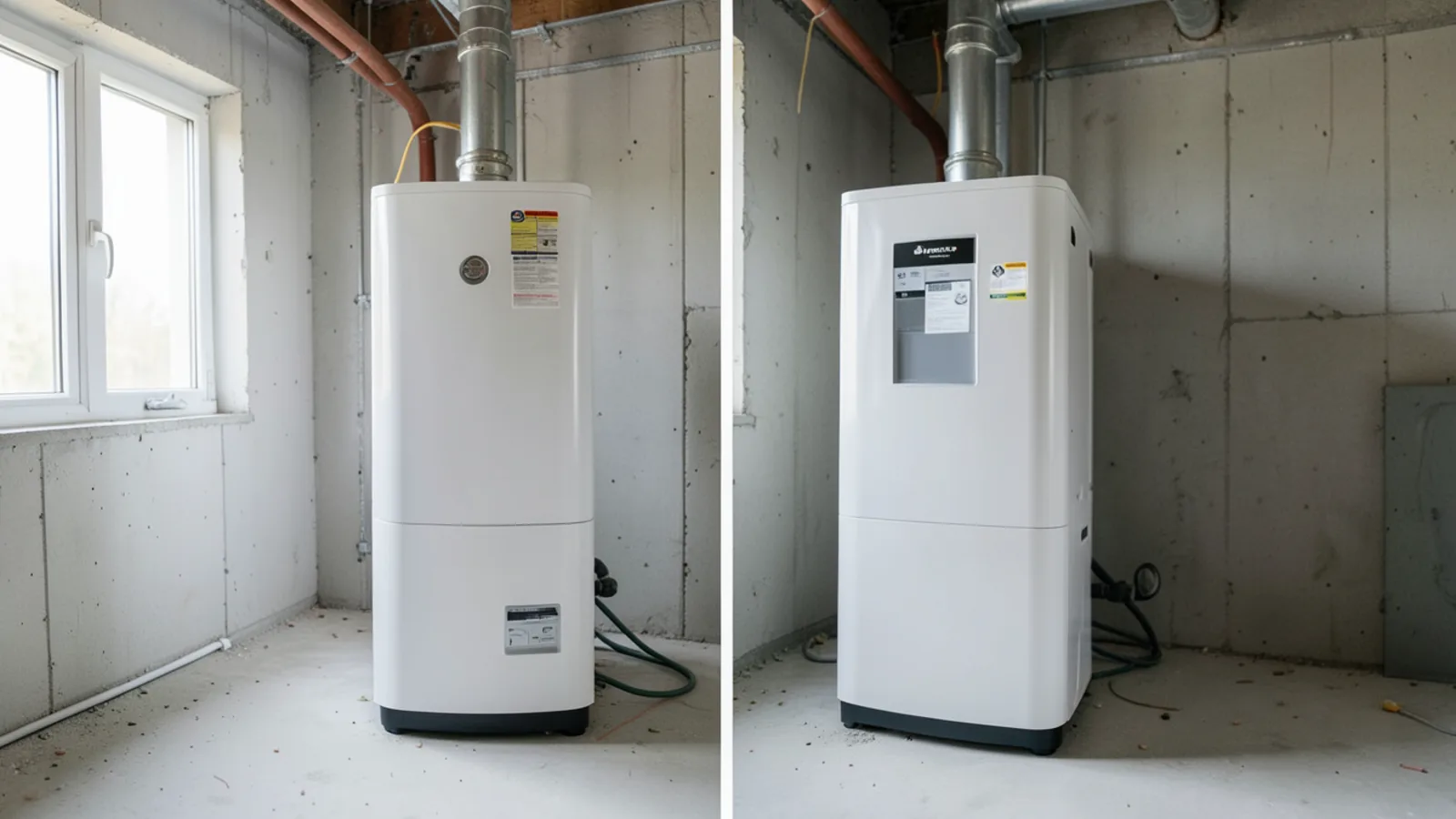
For Waterbury homeowners with an existing Eversource natural gas line, an atmospheric or power-vent natural gas water heater offers the lowest upfront equipment cost and the fastest first-hour hot water recovery rate. However, for homes currently relying on expensive electric resistance tanks, heating oil, or propane—or where an aging masonry chimney flue cannot safely vent exhaust gases—a hybrid electric heat pump water heater is the most economical long-term investment. Hybrid units reduce water heating electricity consumption by up to 70% and qualify for $750 to $900 in instant Energize Connecticut rebates.
Summary Guide
Evaluating natural gas versus electric water heaters for homes in Waterbury, Naugatuck, and surrounding towns. We break down fuel availability, operating costs, recovery rates, venting requirements, and heat pump alternatives.
Evaluating local Waterbury fuel availability and Eversource utility rates
Selecting the right water heater for your property begins with a clear assessment of fuel availability and ongoing operating expenses. In Waterbury, natural gas is distributed by Eversource Energy across urban neighborhoods like Town Plot, Overlook, the East End, and Bunker Hill.
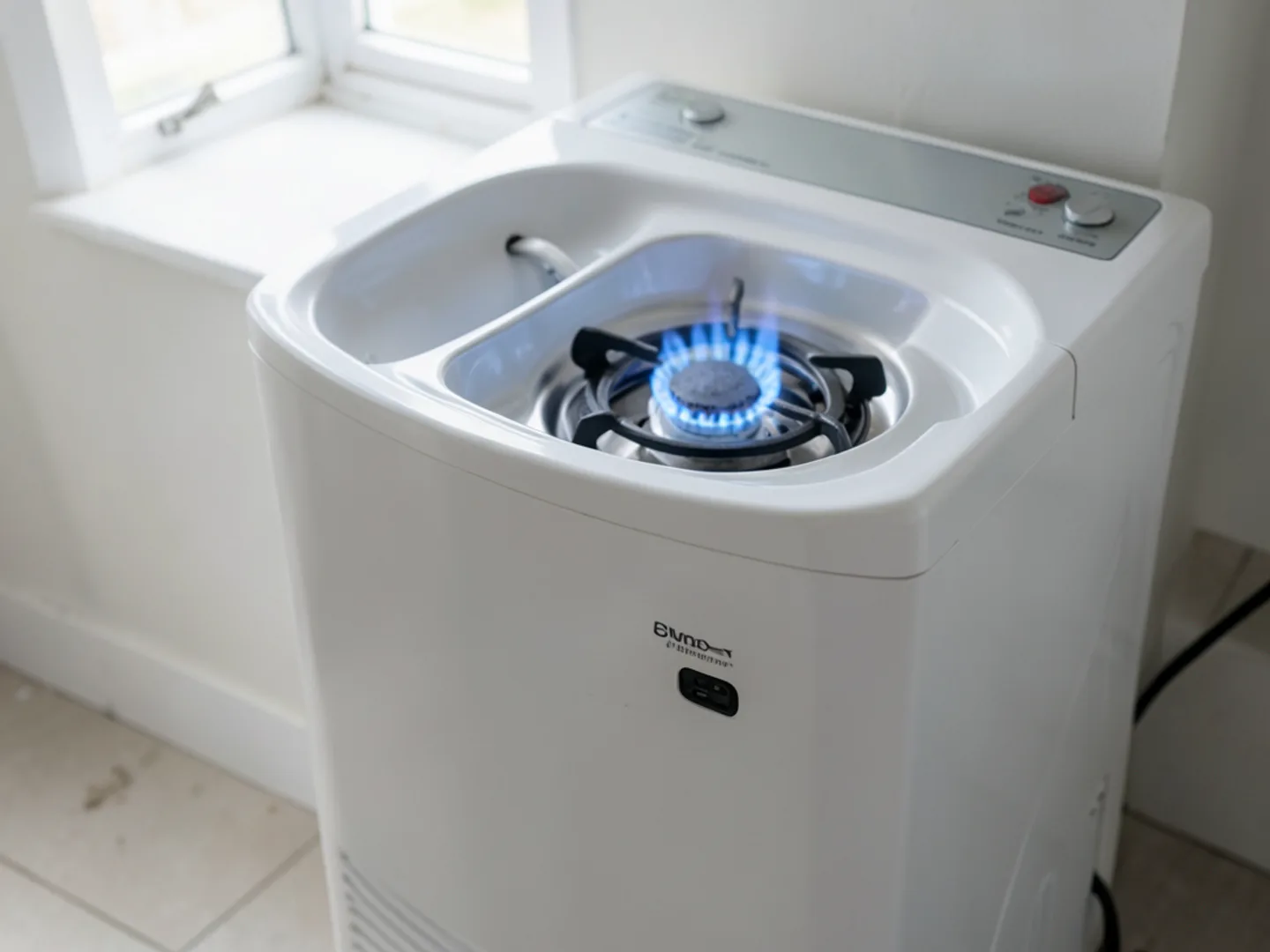
Where natural gas infrastructure is already connected to the home, natural gas water heaters remain an exceptionally popular choice. Natural gas delivers rapid burner recovery—heating water nearly twice as fast as standard electric resistance elements—while operating costs remain substantially lower than heating oil, bottled propane, or standard electricity.
However, in suburban and semi-rural sections of neighboring towns such as Middlebury, Wolcott, and northern Watertown, natural gas mains are frequently unavailable. Homeowners in these communities historically relied on high-wattage electric resistance water heaters or indirect water coils running off oil boilers. With Connecticut electric rates ranking among the highest in the continental United States, standard electric resistance tanks create significant monthly utility bills, making high-efficiency alternatives essential.
Direct Local Dispatch
Need help with your Waterbury plumbing?
Waterbury Homeowner Water Heater Selection Checklist
- •Check whether natural gas service is currently active at your property through Eversource Energy.
- •Inspect your existing masonry chimney for clay liner deterioration, crumbling brick, or past oil soot buildup.
- •Measure floor-to-joist ceiling clearance in your basement (hybrid heat pump units require at least 68 to 72 inches).
- •Verify electrical service panel capacity (heat pump and electric resistance tanks require a dedicated 240V, 30-amp circuit).
- •Confirm drainage accessibility (heat pump condensate and T&P discharge require a basement drain or condensate pump).
- •Review current Energize Connecticut utility rebates and manufacturer equipment warranty terms.
Waterbury Water Heater Comparison: Natural Gas vs Electric Resistance vs Hybrid Heat Pump
| Feature | Atmospheric Natural Gas | Standard Electric Resistance | Hybrid Electric Heat Pump |
|---|---|---|---|
| Upfront Installed Cost | $1,400 to $2,400 | $1,200 to $2,100 | $2,400 to $3,800 (pre-rebate) |
| Energize CT Utility Rebates | None for standard atmospheric | None | $750 to $900 instant discount |
| Estimated Annual Operating Cost | $280 to $380 (Eversource gas rate) | $650 to $950 (Eversource electric rate) | $180 to $260 (high efficiency heat pump) |
| First-Hour Rating (50-Gal Tank) | 70 to 85 Gallons | 50 to 60 Gallons | 65 to 75 Gallons (hybrid mode) |
| Exhaust Venting Requirements | Clay-lined chimney or metal B-vent | None (zero localized emissions) | None; discharges cool, dry air into cellar |
| Best Application in Greater Waterbury | Pre-1950 multi-family homes with active gas meters | Rural or well homes with low basement ceiling height | Single-family homes with basements over 700 cu. ft. seeking low utility bills |
Masonry chimney flue conditions and direct sidewall venting challenges
A critical factor often overlooked during water heater replacement is the structural condition of the exhaust flue. Standard atmospheric gas water heaters rely on natural buoyancy—the principle that hot exhaust gases rise naturally through a vertical chimney to exit above the roofline.
In vintage Waterbury homes built prior to 1960, water heaters routinely share a chimney with a central heating boiler. If an old oil boiler is decommissioned or replaced with a ductless mini-split heat pump, the remaining water heater is left venting into an oversized chimney flue.
Because a standalone water heater burner produces relatively low BTU volume compared to the broad chimney cross-section, the flue gas cools before exiting the top. This results in poor draft, acidic water condensation that eats through chimney mortar, and chronic flue gas spillage into the basement. In homes with compromised chimneys, power-vent gas units that exhaust horizontally through PVC sidewall pipes or all-electric hybrid systems eliminate the need for costly chimney relining.
Why hybrid heat pump water heaters are surging across Connecticut
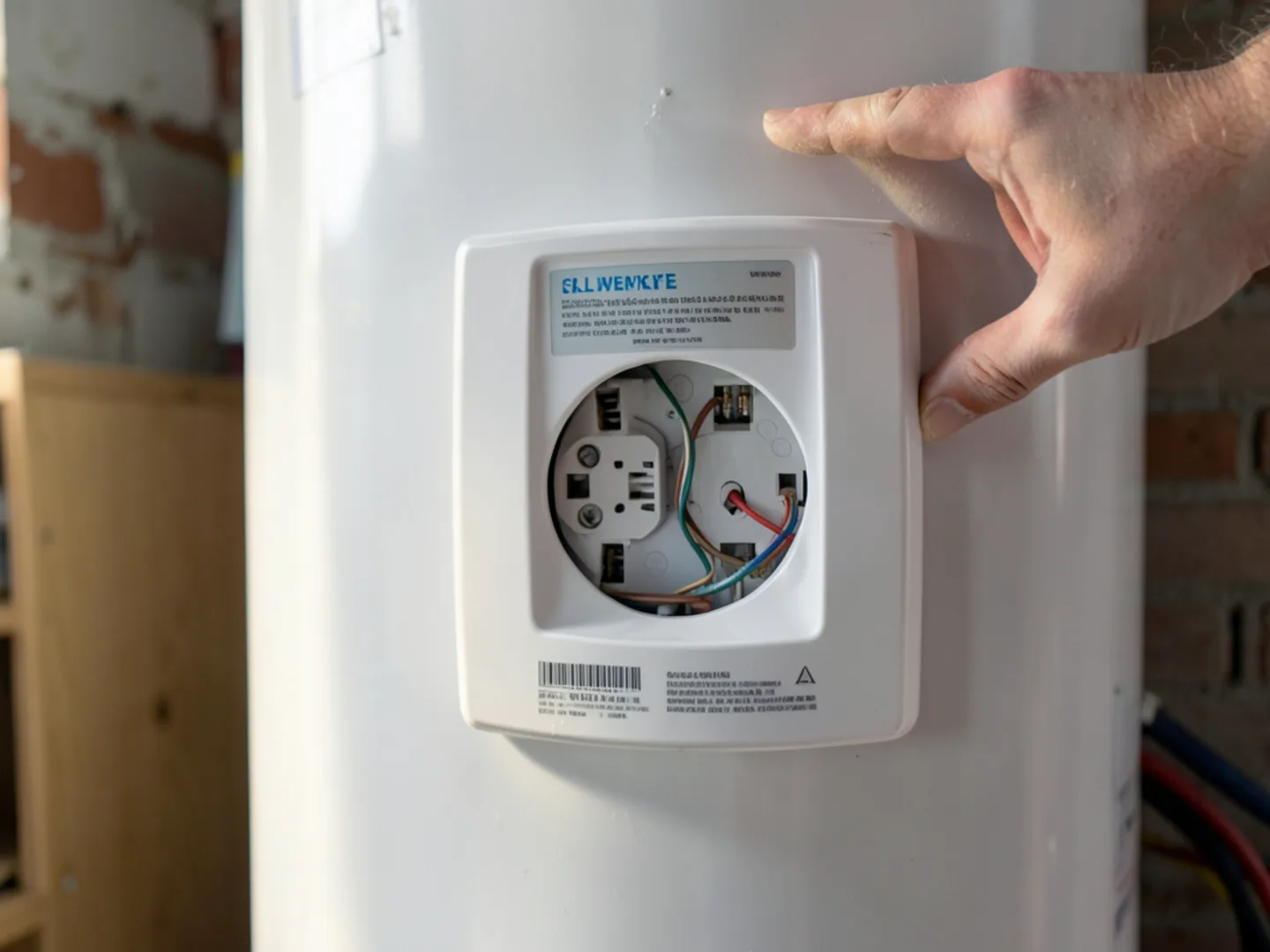
Hybrid electric heat pump water heaters—also known as heat pump water heaters (HPWH)—represent the most significant advancement in residential water heating technology in decades. Rather than generating heat directly through high-resistance electric elements, a heat pump water heater utilizes a compact refrigeration compressor mounted atop the tank to extract ambient heat from surrounding basement air and transfer it directly into the water.
Because transferring heat requires far less electrical energy than creating heat, hybrid units operate with an efficiency rating (Uniform Energy Factor or UEF) exceeding 3.5 to 4.0, compared to approximately 0.92 for standard electric resistance tanks. For a typical Connecticut family of four, this translates to annual electricity savings between $450 and $700.
Additionally, the State of Connecticut aggressively incentivizes hybrid adoption through the Energize Connecticut initiative. Homeowners qualify for instant point-of-sale utility discounts between $750 and $900, alongside federal energy efficiency tax credits. Furthermore, the exhaust air produced by the heat pump is cool and dry, providing helpful basement dehumidification throughout humid Connecticut summers.
Thermal expansion tanks and Connecticut plumbing code compliance
Regardless of whether you select a natural gas, standard electric, or hybrid heat pump water heater, Connecticut plumbing regulations require the installation of a potable thermal expansion tank on the cold water supply pipe.
When 50 gallons of cold municipal reservoir water (entering homes at approximately 42°F to 55°F) is heated to 125°F inside an enclosed water heater, thermal expansion causes the water volume to expand by nearly half a gallon. In an open plumbing system, this excess volume simply pushes harmlessly backward into the municipal water main.
However, modern Waterbury plumbing systems are closed systems. City water meters, backflow preventers, and pressure-reducing valves incorporate one-way check valves that prevent water from traveling backward into city mains. Without an expansion tank containing a pressurized butyl diaphragm, this expanding water creates extreme hydraulic pressure spikes, stressing appliance valves, splitting copper joints, and drastically shortening the lifespan of your new water heater tank.
Sizing hot water capacity for Waterbury multi-family and suburban homes
Proper sizing involves analyzing peak-hour demand rather than merely tank storage volume. In a three-family triple-decker with separate water heaters, each individual unit is typically well-served by a 40-gallon atmospheric gas or 50-gallon electric water heater, providing sufficient hot water for a single family morning routine.
Conversely, in expansive single-family suburban homes across Cheshire, Middlebury, or Watertown with multiple teenagers, deep soaking tubs, and multi-head walk-in showers, a standard 40-gallon tank will run cold within minutes. For these homes, we engineer high-capacity solutions: 65-gallon or 80-gallon hybrid heat pump water heaters, high-recovery 50-gallon commercial-grade gas units, or high-output tankless water heaters delivering continuous hot water.
Our licensed master plumbers evaluate your incoming water line size, electrical service panel capacity, and simultaneous fixture usage to recommend an appropriately sized water heating system that balances upfront cost, energy efficiency, and long-term hot water comfort.
Master Plumber Technical Insights
In older Waterbury properties where coal or oil boilers were previously converted, the central brick chimney flue is frequently oversized and unlined. When you vent a modern atmospheric gas water heater into an unlined chimney, the acidic exhaust gases cool too quickly before reaching the roof cap. This creates corrosive acidic condensation that degrades mortar joints, deposits white efflorescence, and risks spilling carbon monoxide into living quarters. When a chimney flue is compromised, installing a sidewall-vented power-vent gas unit or switching to a hybrid heat pump is far safer and less expensive than rebuilding the masonry chimney.
Under City of Waterbury Municipal Code §156.22 and the Connecticut State Plumbing Code, every closed potable water system must include an ASME-certified thermal expansion tank installed on the cold water supply pipe. Because modern municipal water meters and pressure regulators incorporate backflow check valves, expanding heated water cannot push backward into the city main. Without a functional expansion tank, domestic water pressure routinely spikes above 120 PSI, splitting internal tank glass linings and causing chronic relief valve discharge.
Frequently Asked Questions
Licensed Master Plumber Staff
Technical guidance verified by a State of Connecticut licensed Master Plumber (P-1 #0286392). Based at 232 Bradley Ave, Waterbury, CT.